A worker reaches into a jammed conveyor belt. The machine isn’t running—so it’s safe, right? Wrong. Without a proper lockout tag in place, an accidental startup could mean amputation, electrocution, or worse. This kind of preventable incident still happens more often than you’d think. At the heart of any effective energy control procedure is a simple but critical tool: the lockout tag.
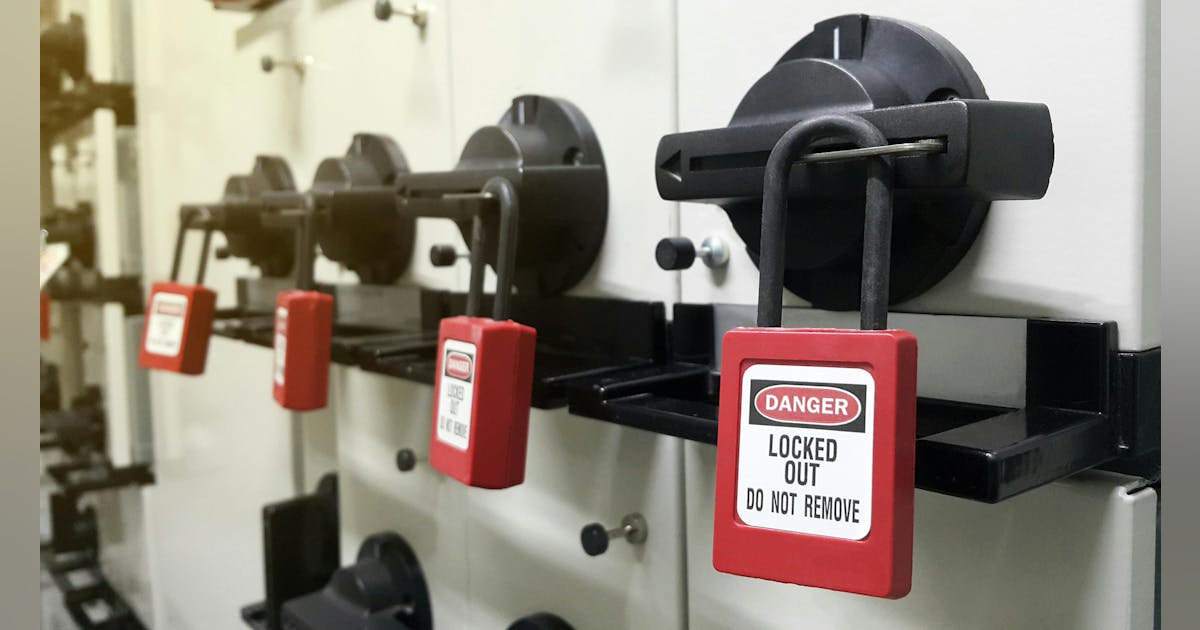
So, what is a lockout tag? It’s a visual and physical warning device used during maintenance or servicing of machinery to indicate that equipment is shut down, isolated from energy sources, and should not be operated. When paired with a lock, it forms part of a broader Lockout/Tagout (LOTO) system—one of the most vital safety protocols in industrial and commercial environments.
But understanding its appearance isn’t enough. To truly prevent injury, you need to know how it's used, what standards govern it, and where misuse can lead to catastrophe.
The Core Purpose of a Lockout Tag
A lockout tag isn't just a piece of plastic with writing on it. It's a legally recognized component of a hazard control system designed to protect people from unexpected energization, startup, or release of stored energy.
When machinery is being serviced, multiple energy sources—electrical, hydraulic, pneumatic, thermal, chemical, or gravitational—can pose serious risks. A lockout tag communicates two key things:
- Control: The equipment is under maintenance and someone is accountable.
- Prohibition: No one should operate, re-energize, or remove the tag without authorization.
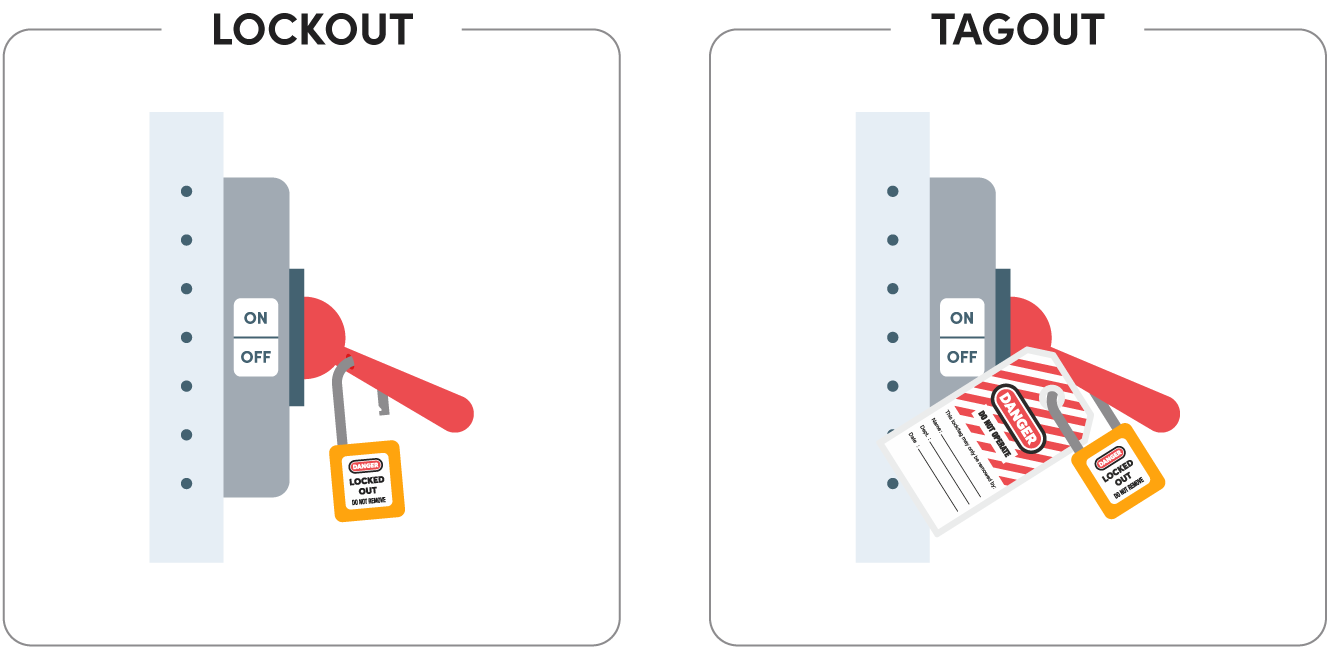
Unlike a lock, which physically prevents operation, a tag is primarily informational. That’s why tags should never stand alone when there’s a risk of accidental activation. OSHA requires that energy-isolating devices be both locked and tagged whenever possible.
Example: A maintenance technician servicing a high-pressure valve places a lock on the isolation point and attaches a lockout tag stating their name, department, reason for shutdown, and expected completion time. This alerts others not to interfere.
How Lockout Tags Fit Into LOTO Procedures
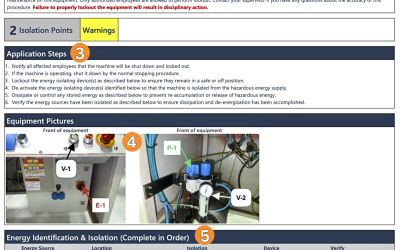
Lockout/Tagout (LOTO) is a standardized safety process defined by OSHA 29 CFR 1910.147 in the United States and similar regulations globally. The lockout tag plays a central role in five key steps:
- Preparation: Identify energy sources and required isolation points.
- Shutdown: Stop the machine using normal stopping procedures.
- Isolation: Disconnect or block energy sources (e.g., flip breaker, close valve).
- Application of Locks and Tags: Each worker applies their personal lock and tag to every energy point.
- Verification: Attempt to restart the equipment (after ensuring no one is near) to confirm it’s de-energized.
The lockout tag must remain affixed until the servicing is complete and the person who applied it removes it. No exceptions.

Real-World Risk: In a 2019 incident at a Midwest packaging plant, a supervisor re-energized a press after seeing it “looked clear”—but a mechanic was still inside the guard. The lack of a visible lockout tag contributed to a crushing injury. Investigation found that while locks were used, no tags were consistently applied. Miscommunication was fatal.
Key Features of an Effective Lockout Tag
Not all tags are created equal. For a lockout tag to be effective, it must meet specific design and usability standards. Here’s what matters:
- Durability: Must withstand moisture, grease, UV exposure, and tearing.
- Visibility: Bright colors (red, yellow, or orange) with high-contrast text.
- Legibility: Clear, concise wording in the relevant language(s) of the workforce.
- Attachment: Pre-punched hole or integrally molded loop for secure fastening.
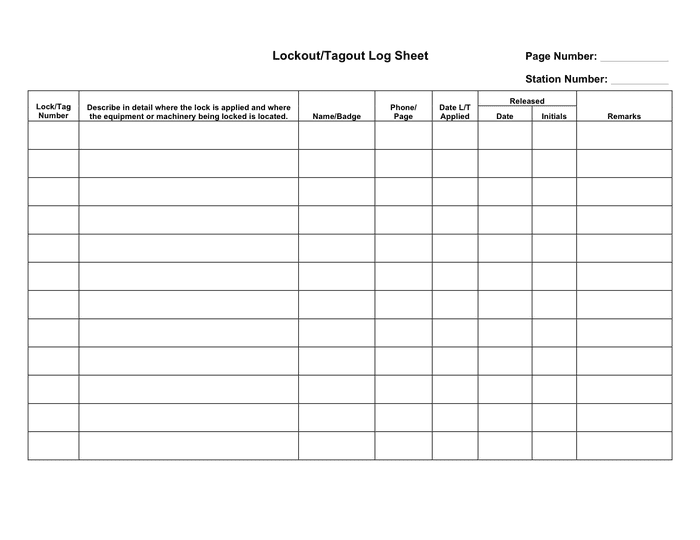
- Information Fields: Name, date, reason, department, and contact details.
Common Mistake: Using handwritten tags with smudged ink or vague messages like “Do Not Start.” This defeats the purpose by failing to identify responsibility or duration.
Industry-grade lockout tags often include warning statements such as:
“DO NOT OPERATE – EQUIPMENT UNDER MAINTENANCE. CONTACT [NAME] BEFORE REMOVAL.”
Some advanced versions include QR codes linking to digital work permits or safety logs—especially in facilities adopting smart LOTO systems.
Lock vs. Tag: What’s the Difference? This is one of the most misunderstood aspects of LOTO. While locks and tags are used together, they serve different functions:
| Feature | Lockout Device | Tagout Device |
|---|---|---|
| Physical Barrier | Yes – prevents operation | No – only warns |
| Required by OSHA | Yes, when feasible | Yes, always with lock |
| Accountability | Personal lock = ownership | Informational only |
| Risk if Used Alone | Low (if properly applied) | High – easily ignored |
Critical Rule: If energy control can be achieved with a lock, a tag alone is not sufficient. Tags are acceptable only when a lock cannot be applied—and even then, additional safety measures (like removing valves or circuit breakers) must be used.
Use Case Example: In a chemical plant, a technician removes a fused disconnect before servicing a motor. Since no lock can be applied, a tag is used—but only after verified removal of the energy source and with dual verification by a supervisor.
Industries That Rely on Lockout Tags
While LOTO applies to any workplace using machinery, certain sectors face higher stakes:
- Manufacturing: Conveyor systems, presses, robotic arms
- Energy & Utilities: Power generation, transformers, turbines
- Construction: Cranes, hoists, demolition equipment
- Healthcare: MRI machines, sterilizers, lab automation
- Food Processing: Mixers, slicers, ovens with thermal retention
In each, a missing or improperly used lockout tag can lead to catastrophic failure. For example, a food processing worker clearing a meat grinder without proper tagging could be exposed to sudden restart—even if the machine was “turned off.”
Compliance Tip: Audits should check not just for the presence of tags, but for correct use: Are they filled out completely? Are locks used with them? Is there evidence of unauthorized removal?
Common LOTO Failures Involving Lockout Tags
Despite clear regulations, violations are common. OSHA consistently lists LOTO among its Top 10 Most Cited Standards. Frequent breakdowns involving lockout tags include:
- Blank or incomplete tags – Missing name, date, or reason.
- Shared locks/tags – Violates the “one person, one lock” rule.
- Tag-only use without justification – When a lock could have been applied.
- Premature removal – Tags taken off before work is done.
- Poor placement – Tags not attached to energy isolation points.
Case Insight: A 2022 OSHA citation against an auto parts supplier cited $165,000 in penalties after a worker lost three fingers. The investigation found that while a tag was present, it was not secured to the disconnect box—instead, it was taped to the machine panel. It was easily missed.
These aren’t just paperwork issues. They represent systemic safety failures.
Best Practices for Using Lockout Tags
To make lockout tags work as intended, follow these field-tested rules:
- Use Personal Locks and Tags: Each worker applies their own during service.
- Train Regularly: Refresher training every 12 months—and any time procedures change.
- Audit Routinely: Spot-check LOTO applications weekly.
- Enforce Discipline: No operation of tagged equipment, no exceptions.
- Use Multilingual Tags: In diverse workplaces, ensure comprehension.
- Store Securely: Keep locks and tags in a controlled LOTO station.
Pro Tip: Implement a “buddy check” system where a second worker verifies lock and tag placement before work begins—especially for complex or high-risk tasks.
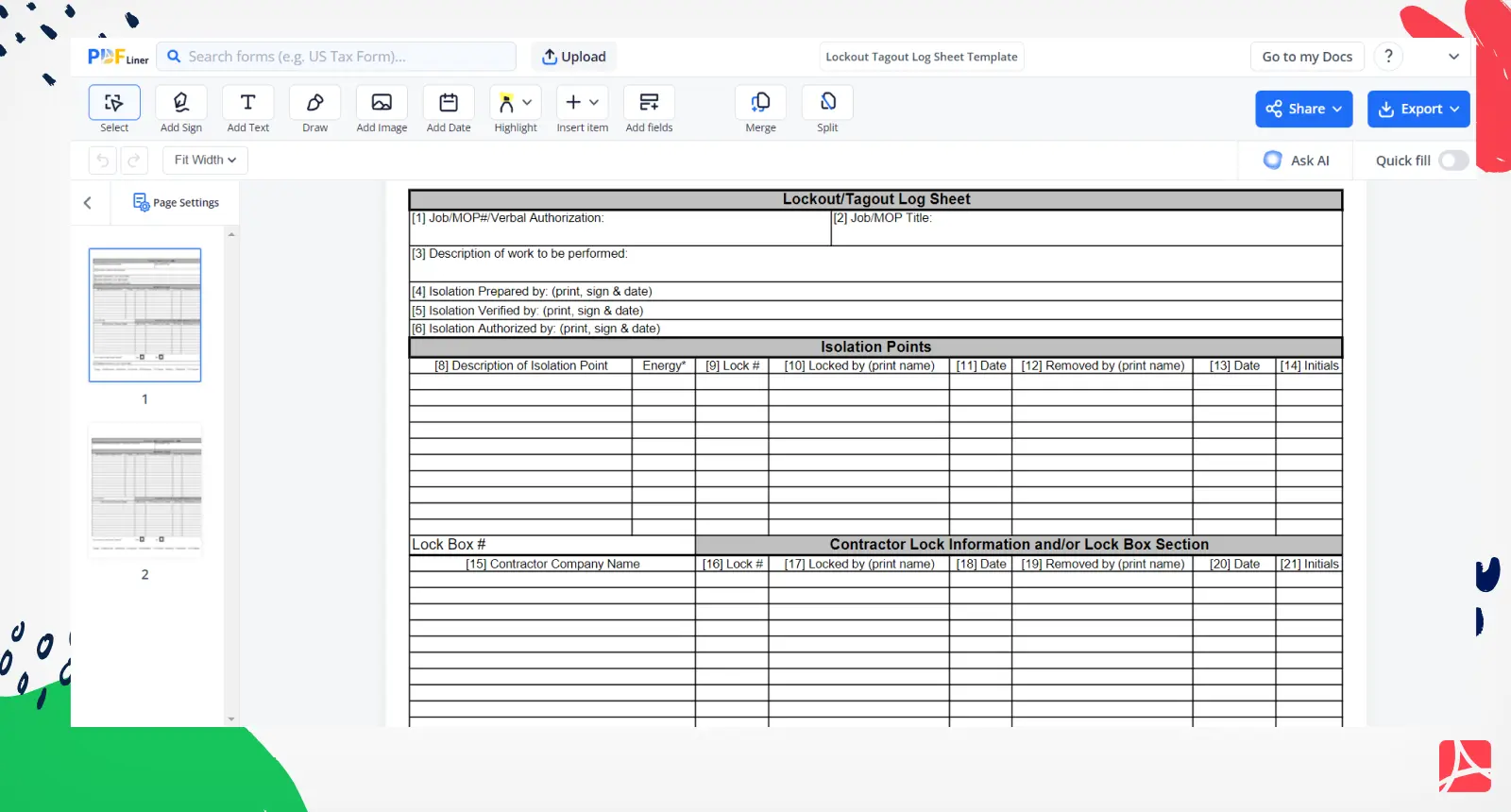
Digital advancements are also helping. Some facilities use LOTO management software that logs tag applications, sends removal alerts, and integrates with work order systems.
Actionable Next Steps
Understanding what a lockout tag is only matters if it changes behavior. Start by auditing your current tagging process. Walk through a maintenance scenario: Is every energy source isolated? Is every tag filled out correctly? Can someone unfamiliar with the job understand the risk just by looking?
Then train—not just technicians, but supervisors and operators—on why the tag isn’t just a formality. It’s a lifeline.
A lockout tag may seem small, but its absence can cost lives. Make sure yours are visible, complete, and respected.
FAQ
What does a lockout tag do? A lockout tag warns that equipment is being serviced and must not be operated. It identifies the responsible worker and provides critical safety information.
Can a tag be used without a lock? Only if a lock cannot be applied—and even then, extra protective measures are required by OSHA.
Who can remove a lockout tag? Only the worker who applied it, unless under an authorized rescue or shift-change procedure.
What information must be on a lockout tag? Name of the worker, date, reason for lockout, and contact information at minimum.
Are lockout tags required by law? Yes, under OSHA 29 CFR 1910.147 and similar regulations in other countries.
What happens if a tag is removed prematurely? It creates an immediate hazard and violates safety regulations, potentially leading to injury or legal consequences.
How durable should a lockout tag be? It must resist environmental conditions like oil, water, and abrasion for the duration of the service.
FAQ
What should you look for in What Is a Lockout Tag and Why It Matters in Safety? Focus on relevance, practical value, and how well the solution matches real user intent.
Is What Is a Lockout Tag and Why
It Matters in Safety suitable for beginners? That depends on the workflow, but a clear step-by-step approach usually makes it easier to start.
How do you compare options around What Is a Lockout Tag and Why It Matters in Safety? Compare features, trust signals, limitations, pricing, and ease of implementation.
What mistakes should you avoid? Avoid generic choices, weak validation, and decisions based only on marketing claims.
What is the next best step? Shortlist the most relevant options, validate them quickly, and refine from real-world results.