Safety doesn’t happen by accident—neither does awareness. In high-risk environments like construction, manufacturing, and field operations, daily hazards are part of the job. But too often, organizations rely on outdated safety posters or annual training to carry the load. The real shift happens in the moments before the work begins: during the toolbox talk.
A toolbox talk is a short, focused safety meeting—usually 10 to 15 minutes—designed to highlight specific risks, reinforce safe practices, and open the door for on-the-ground feedback. These aren’t passive lectures. When done right, they spark conversation, clarify confusion, and keep safety top of mind.
Below is a practical, industry-tested list of toolbox talks that address real-world risks, common oversights, and evolving challenges across worksites.
Why Toolbox Talks Work
When Other Safety Efforts Fail
Traditional safety training often fails because it’s too general, too infrequent, or too disconnected from actual job conditions. Toolbox talks succeed because they’re:
- Timely: Held just before work begins, when risks are fresh.
- Relevant: Tailored to the day’s tasks and environment.
- Interactive: Encourage questions and shared experience.
- Reinforcing: Build a culture where safety is routine, not a checklist.
A crane operator noticing frayed rigging, a roofer spotting unstable scaffolding, or an electrician questioning a lockout procedure—these are the moments where toolbox talks pay off.
Studies show that regular safety huddles reduce incident rates by up to 40%. But only if the content matters. That starts with choosing the right topics.
Core Topics: The Foundational List of Toolbox Talks
The best toolbox talks target high-frequency or high-consequence hazards. Here’s a curated list that spans industries and skill levels:
#### 1. Personal Protective Equipment (PPE) Not all PPE is created equal. A talk should cover: - Correct selection (e.g., face shields vs. safety glasses) - Fit and maintenance (cracked hard hats, expired respirators) - Situational awareness (PPE for noise, chemicals, heat stress)
Common mistake: Workers wear PPE “for show” but remove it during actual risk exposure.
#### 2. Hazard Communication (HazCom) Chemicals are everywhere—cleaners, fuels, adhesives. A HazCom talk should: - Review SDS (Safety Data Sheets) accessibility - Explain labeling systems (GHS pictograms) - Emphasize proper storage and spill response
Use case: A painter in a confined space needs to know not just the chemical name, but the vapor risk and ventilation requirements.
#### 3. Fall Protection One of OSHA’s “Fatal Four” in construction. Key points: - Proper harness fitting and anchor points - Guardrail vs. personal fall arrest systems - Fall clearance calculations
Limitation: Many workers think a harness is enough. But without proper training, it’s a false sense of security.
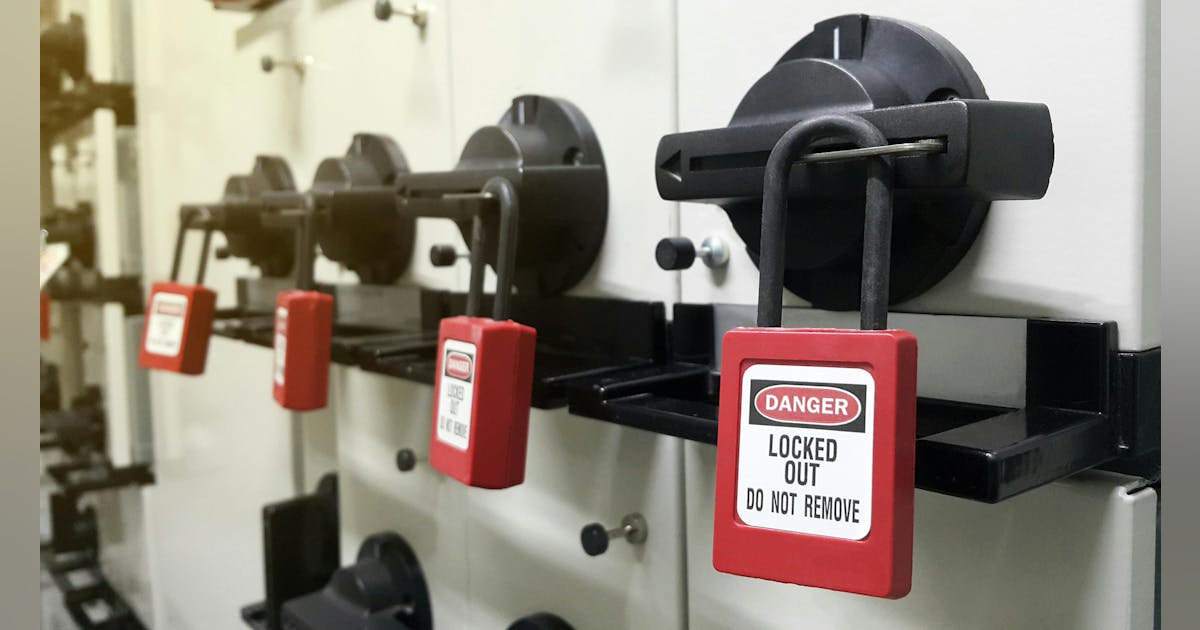
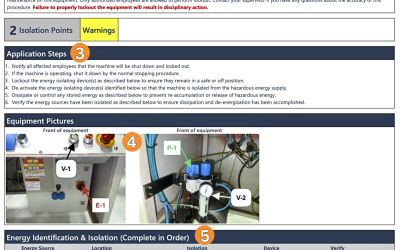
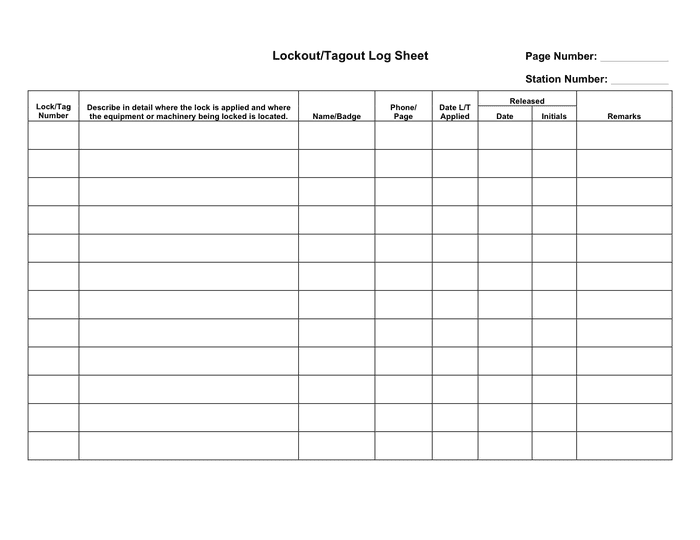
#### 4. Lockout/Tagout (LOTO) Unexpected energization kills. The talk must clarify: - Energy isolation steps - Who can apply/remove locks - Group LOTO procedures
Real-world issue: Maintenance teams often skip LOTO during “quick fixes.”
#### 5. Electrical Safety From low-voltage controls to high-power systems: - Approach boundaries (limited, restricted, arc flash) - PPE requirements for electrical work - Inspecting cords and tools
Tip: Use actual site tools for inspection demos—makes it tangible.
#### 6. Manual Handling and Ergonomics Back injuries are the #1 cause of workplace lost time. Focus on: - Proper lifting techniques (bend knees, keep back straight) - Team lifting coordination - Use of mechanical aids (dollies, hoists)
Workflow insight: Rotate tasks to reduce repetitive strain, especially in packaging or assembly.
#### 7. Working at Heights Beyond fall protection, this covers: - Scaffolding inspection - Ladder safety (3-point contact, angle rules) - Weather impact (wind, rain)
Common oversight: Workers use ladders on uneven ground without stabilization.
#### 8. Hot Work Safety Welding, cutting, grinding create fire risk. Address: - Fire watch requirements - Flammable material clearance - Permit systems
Example: A welder in a fabrication shop must confirm no solvents are stored nearby—even in adjacent rooms.
#### 9. Confined Space Entry A high-risk, low-frequency task that demands precision. Include: - Atmospheric testing (oxygen, LEL, toxics) - Rescue plans - Entry permits
Critical point: Never enter a confined space without a trained attendant present.
#### 10. Situational Awareness Not just for new workers. A dynamic talk covering: - Recognizing distracted coworkers - Environmental changes (weather, noise, shift fatigue) - Near-miss reporting
Engagement trick: Ask team members to share a recent near-miss—storytelling reinforces learning.
Industry-Specific Toolbox Talk Additions
While the above are universal, some industries need targeted focus.
#### Construction - Crane and rigging safety - Trenching and excavation - Scaffold assembly procedures
Pro tip: Do a weekly walk-through and use real site photos in talks.
#### Manufacturing - Machine guarding - Conveyor safety - Noise exposure and hearing protection
Use case: A press operator distracted by a cell phone could lose a hand—reinforce zero tolerance.
#### Oil & Gas / Energy - Hydrogen sulfide (H2S) awareness - Blowout prevention - Pressure system safety
Critical: Train on gas detectors and evacuation drills—not just theory.
#### Utilities - Overhead power line clearance - Underground utility locating - Storm response safety
Reality: Storm crews often rush—emphasize that urgency never overrides safety.

How to Run an Effective Toolbox Talk
Having a list isn’t enough. Execution determines impact.
#### 1. Keep It Short and Focused Aim for 10–15 minutes. Pick one topic per session. Don’t overload.
#### 2. Use Visuals or Demonstrations Show a damaged harness. Demonstrate lockout steps. People remember what they see.
#### 3. Encourage Participation Ask: - “Have you seen this before?” - “What would you do differently?” - “What’s one risk we haven’t discussed?”
Silence means disengagement—not understanding.
#### 4. Document the Session Keep a sign-in sheet. Note attendees, topic, date. Not for compliance theater—use it to track attendance gaps and recurring issues.
#### 5. Rotate Facilitators Let experienced workers lead. A foreman might know procedures, but a veteran electrician knows the real-world tricks and traps.
Common Mistakes That Undermine Toolbox Talks
Even with a solid list, poor delivery kills effectiveness.
- Repetition without variation: Talking about PPE every Monday? Workers tune out. Rotate and refresh.
- One-way delivery: If no one speaks, it’s not a talk—it’s a monologue.
- Ignoring feedback: Workers report a slippery walkway, but nothing changes? Trust erodes fast.
- Scheduling conflicts: Holding talks during shift turnover or meal breaks? Attendance will drop.
- No follow-up: Saw a hazard during the talk? Assign action items. Close the loop.
Sample Weekly Toolbox Talk Schedule
| Day | Topic | Focus Area |
|---|---|---|
| Monday | PPE Inspection | Hard hats, gloves, eye protection |
| Tuesday | LOTO Procedures | Machine-specific examples |
| Wednesday | Fall Protection | Harness check + anchor points |
| Thursday | Hazard Communication | GHS labels + SDS access |
| Friday | Near-Miss Reporting | Encourage open discussion |
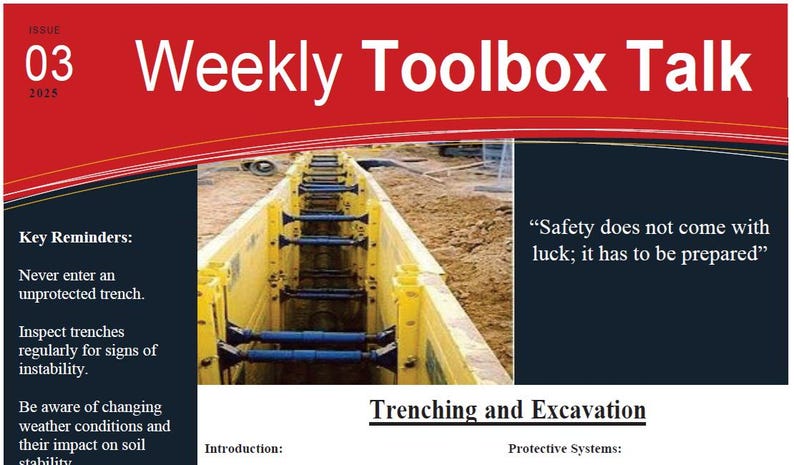
Adjust based on upcoming tasks. No hot work? Skip that topic. Excavation starting? Add trench safety.
Making Toolbox Talks Part of Your Safety Culture
The best safety programs don’t treat toolbox talks as a box to check. They use them to build awareness, trust, and accountability.
- Link to KPIs: Track near-miss reports, incident trends, and attendance. Correlate with talk topics.
- Incorporate new hires: Use talks as onboarding reinforcement.
- Review quarterly: Audit your list. Are you covering emerging risks? Are topics still relevant?
- Reward engagement: Recognize workers who speak up or suggest improvements.
Safety isn’t about avoiding fines—it’s about ensuring everyone goes home the same way they arrived.
Toolbox talks are simple, but their impact is profound. Use this list as a foundation, then tailor it to your team, site, and risks. Run them consistently, involve your people, and treat each one as a chance to prevent something preventable.
Start tomorrow: pick one topic from the list, gather your crew, and talk safety like it matters—because it does.
FAQ
What should you look for in Essential Toolbox Talks for Safer Workplaces? Focus on relevance, practical value, and how well the solution matches real user intent.
Is Essential Toolbox Talks for Safer Workplaces suitable for beginners? That depends on the workflow, but a clear step-by-step approach usually makes it easier to start.
How do you compare options around Essential Toolbox Talks for Safer Workplaces? Compare features, trust signals, limitations, pricing, and ease of implementation.
What mistakes should you avoid? Avoid generic choices, weak validation, and decisions based only on marketing claims.
What is the next best step? Shortlist the most relevant options, validate them quickly, and refine from real-world results.