Every year, preventable accidents occur because machines restart unexpectedly during maintenance. The root cause? Improper or skipped lockout tagout (LOTO) procedures. A missed step, a forgotten tag, or unclear communication can lead to crushing injuries, electrocution, or even fatalities. Proper lockout tagout isn't just a regulatory box to check—it's a life-saving protocol that demands precision, consistency, and accountability.
When done right, LOTO procedures ensure that hazardous energy sources are isolated and cannot be re-energized until maintenance or servicing is complete. This article breaks down the correct steps, common pitfalls, enforcement strategies, and real-world applications of proper lockout tagout procedures—so safety isn’t left to chance.
What Is Lockout Tagout and Why It Matters
Lockout tagout is a safety procedure used to disable machinery or equipment to prevent the release of hazardous energy during servicing or maintenance. “Lockout” refers to physically locking energy-isolating devices—like circuit breakers or valve handles—so they can’t be operated. “Tagout” involves placing warning tags on those locked devices to inform others not to operate them.
The consequences of skipping or misapplying LOTO are severe. OSHA estimates that proper implementation of lockout tagout could prevent 120 fatalities and 50,000 injuries annually in the U.S. alone. Industries like manufacturing, construction, utilities, and chemical processing rely on LOTO because their equipment often uses multiple energy sources—electrical, hydraulic, pneumatic, chemical, thermal—any of which can cause harm if released unexpectedly.
A real-world example: In 2021, a maintenance technician at a paper mill was clearing a jammed conveyor when a coworker, unaware that work was ongoing, restarted the system. The machine activated, pulling the technician in and causing fatal injuries. An investigation revealed no lockout devices were used, and the energy source wasn’t isolated. This tragedy could have been prevented with proper lockout tagout procedures.
The 6 Critical Steps of Proper Lockout Tagout
OSHA outlines a standardized sequence for effective LOTO. Deviating from these steps—even slightly—can compromise safety. Here’s how to execute them correctly:
#### 1. Prepare for Shutdown Before any work begins, identify all energy sources powering the equipment. This includes primary (electrical) and secondary (stored hydraulic pressure, springs, elevated parts). Review the machine-specific LOTO procedure—never rely on memory. Notify affected employees that maintenance is about to start.
Example: A press machine uses electrical power and compressed air. Both must be identified and isolated. Stored air pressure in lines must be bled off.
#### 2. Shut Down the Equipment Use normal stopping procedures—press the emergency stop, switch off controls, or engage shutdown protocols. Confirm the machine has stopped completely. Never assume the equipment is off just because it’s not moving.
#### 3. Isolate Energy Sources Physically disconnect or block all energy sources. This typically means: - Turning off circuit breakers - Closing line valves - Blocking moving parts - Disconnecting hydraulic lines
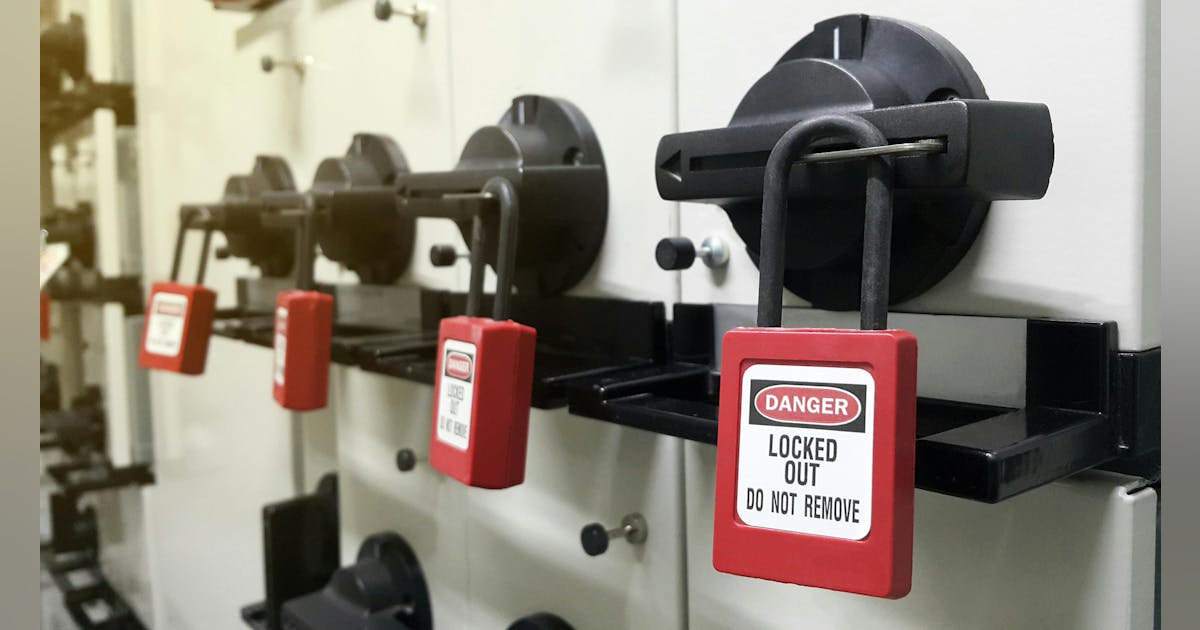
Only use approved lockout devices—padlocks, hasps, valve locks, circuit breaker locks—that are standardized across the facility.

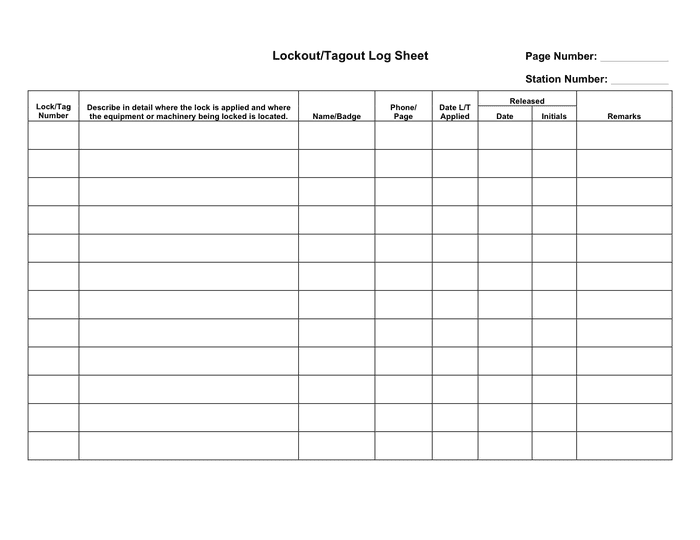
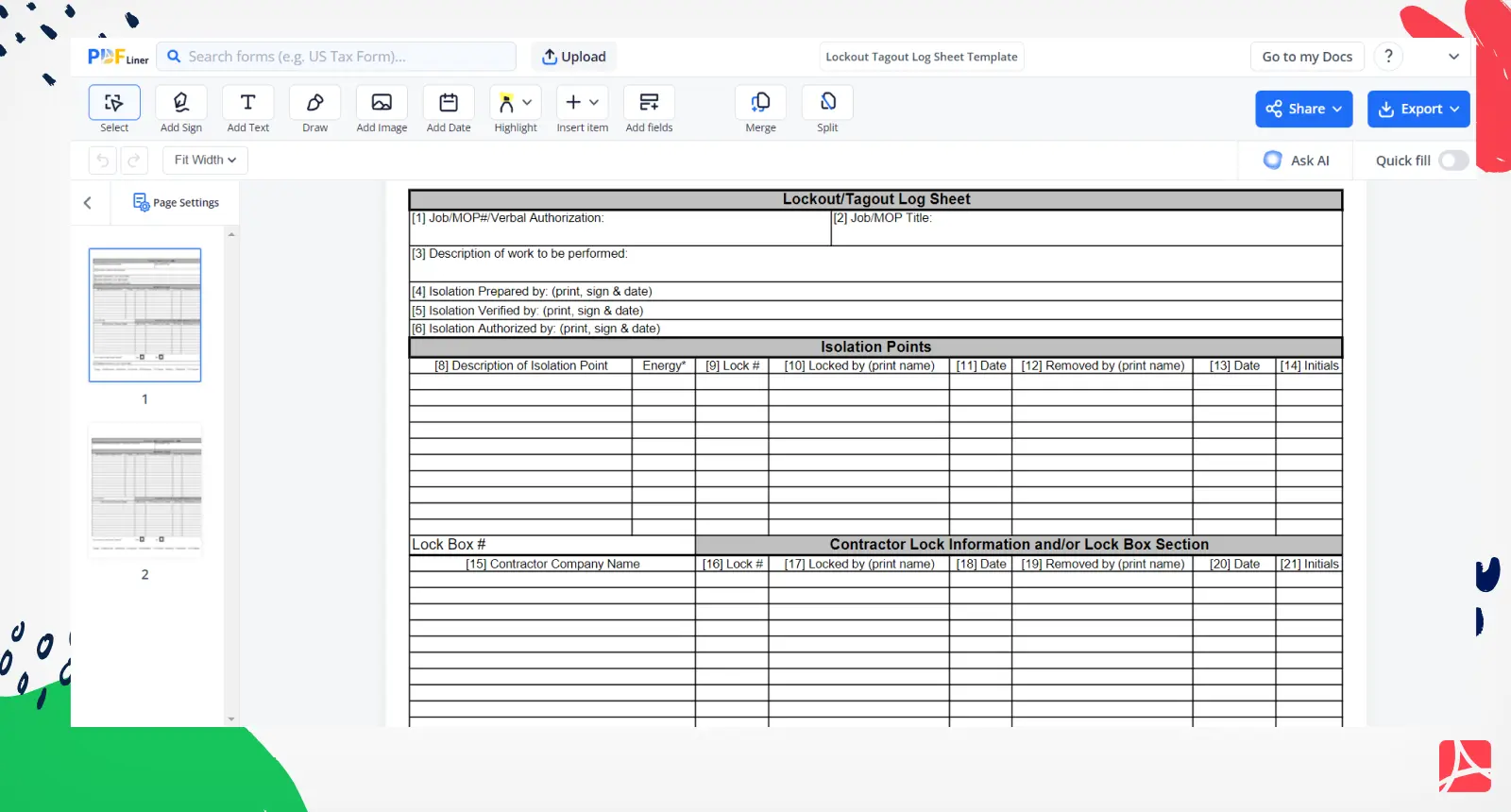
#### 4. Apply Locks and Tags Each authorized employee must apply their own lock and tag. This is non-transferable and non-delegable. Tags must include: - Employee name - Date and time of lockout - Reason for the lockout - Contact information
Using group lockout boxes? Ensure each individual lock secures the box, and the isolation point can’t be re-energized until all locks are removed.
#### 5. Release Stored or Residual Energy Even after isolation, energy may remain in capacitors, springs, flywheels, or pressurized tanks. Safely dissipate or block it: - Bleed air or fluid lines - Ground high-voltage circuits - Lower suspended loads - Allow hot surfaces to cool
Test the control circuit to verify zero energy—press start buttons or activate controls to confirm the machine doesn’t respond.
#### 6. Perform Maintenance and Remove LOTO Once work is complete, verify all tools are removed and guards reinstalled. Notify all affected employees before re-energizing. Only the person who applied the lock should remove it—unless authorized under a formal transfer procedure (e.g., shift changes).
Never let someone else remove your lock. If the original employee is unavailable, follow documented alternative procedures involving supervision, verification, and time delays.
Common LOTO Mistakes That Put Workers at Risk
Even trained teams make errors. These common missteps undermine the entire process:
- Using one lock for multiple energy sources: Each energy point must have its own lock.
- Skipping the energy dissipation step: Workers assume isolation means zero energy, but residual pressure or stored electricity remains deadly.
- Borrowing or sharing locks: Locks must be personal—assigned and keyed to one individual.
- Failing to verify isolation: Not testing the machine after lockout leads to false confidence.
- Ignoring procedural updates: Equipment changes, but LOTO plans don’t—leading to outdated or incomplete procedures.
One automotive plant discovered that technicians regularly bypassed LOTO for “quick fixes,” believing a 30-second task didn’t require full protocol. After a near-miss incident involving a robotic arm, the company mandated that any interaction with machinery—regardless of duration—triggers a full LOTO. The rule change reduced incidents by 76% over 18 months.
Creating Effective LOTO Procedures: A Practical Guide
Generic LOTO steps aren’t enough. You need machine-specific procedures. Here’s how to build them:
- Conduct an energy source audit: Walk through each machine. Document every energy type and isolation point.
- Map shutdown sequences: Define step-by-step instructions for safe shutdown and isolation.
- Identify required tools: List locks, tags, blocks, and testing equipment needed.
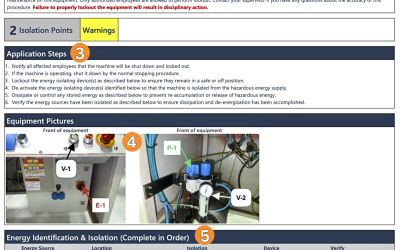
- Include visual aids: Use diagrams or photos showing lock placement and tag locations.
- Review and update annually: Reassess procedures whenever equipment or processes change.
Example: A food processing line has multiple LOTO points: main power disconnect, auger drive motor lockout, steam valve isolation, and conveyor belt brake lock. The procedure includes images showing where each lock goes and who is authorized.
Store these documents in an accessible location—digital or physical—and ensure all authorized employees are trained on them.
Training and Compliance: Making LOTO Stick
A perfect LOTO plan fails without proper training and culture. OSHA requires two types of personnel:

- Authorized employees: Those who perform servicing and apply LOTO. They must be trained on energy control procedures, recognition of hazards, and device use.
- Affected employees: Those who operate or use the equipment but don’t perform maintenance. They need to understand the purpose of LOTO and not attempt to restart locked-out machines.
Training must be: - Initial and recurring (at least annually) - Hands-on, not just classroom lectures - Documented with sign-offs
One refinery improved compliance by turning LOTO drills into quarterly safety competitions. Teams were timed on proper lockout execution while being evaluated for accuracy. The blend of accountability and engagement led to near-100% adherence.
Audits are equally important. Monthly inspections of LOTO applications—by supervisors or safety officers—catch deviations before they cause incidents.
LOTO Devices and Tools: What You Need
Using the right equipment ensures reliability and standardization. Here are five essential LOTO tools and their applications:
| Device | Use Case |
|---|---|
| Padlocks with unique keys | Personal locks applied by each authorized worker |
| Group lockout boxes | Central point for multiple locks during team work |
| Circuit breaker locks | Prevent re-energizing electrical panels |
| Valve lockout devices | Secure ball, gate, or lever valves in closed position |
| Cable lockouts | For multiple disconnect points or large handles |
All devices should be durable, standardized in color (red is typical), and clearly marked as safety equipment. Never use personal locks from home—only OSHA-compliant, employer-issued devices.
Beyond Compliance: Building a LOTO Safety Culture
Compliance is the baseline. Excellence comes from embedding LOTO into daily operations. That means:
- Leadership modeling safe behavior—managers applying locks just like technicians.
- Empowering workers to stop work if LOTO isn’t followed.
- Recognizing and rewarding strict adherence.
- Investigating near-misses with the same rigor as actual incidents.
One steel manufacturer reduced maintenance-related injuries by 90% over three years by implementing a “LOTO First” policy. Any deviation reported by peers led to immediate review—not punishment, but process refinement. The result? Workers felt ownership, not resentment, toward the protocol.
Proper lockout tagout procedures aren’t just about following rules—they’re about respecting human life. Every lock applied, every tag read, every verification test performed is a deliberate act of protection. Start with clear, machine-specific procedures, train relentlessly, audit consistently, and foster a culture where safety isn’t optional. When LOTO is treated as non-negotiable, accidents become preventable, not inevitable.
FAQ
What is the first step in a lockout tagout procedure? The first step is preparing for shutdown by identifying all energy sources and notifying affected employees.
Can someone else remove your lockout device? No—only the authorized employee who applied the lock should remove it, unless a formal transfer procedure is followed.
What’s the difference between lockout and tagout? Lockout uses physical devices to prevent energy activation; tagout uses warning tags. Lockout is preferred when feasible.
How often should LOTO procedures be reviewed? At minimum, annually, or whenever equipment, processes, or personnel change.
Are minor servicing tasks exempt from LOTO? Only if the work is routine, repetitive, and on the machine’s normal production operation—otherwise, full LOTO applies.
Who is responsible for implementing LOTO? Authorized employees perform LOTO; employers are responsible for providing training, devices, and procedures.
What should a LOTO tag include? The employee’s name, date, time, reason for lockout, and contact information.
FAQ
What should you look for in Mastering Proper Lockout Tagout Procedures for Workplace Safety? Focus on relevance, practical value, and how well the solution matches real user intent.
Is Mastering Proper Lockout Tagout Procedures for Workplace Safety suitable for beginners? That depends on the workflow, but a clear step-by-step approach usually makes it easier to start.
How do you compare options around Mastering Proper Lockout Tagout Procedures for Workplace Safety? Compare features, trust signals, limitations, pricing, and ease of implementation.
What mistakes should you avoid? Avoid generic choices, weak validation, and decisions based only on marketing claims.
What is the next best step? Shortlist the most relevant options, validate them quickly, and refine from real-world results.