Most analysts dismissed Ty Simpson as a developmental arm with raw mechanics. But Albert Breer’s post-draft reporting uncovered a different narrative—one where the Los Angeles Rams didn’t just take a flier on a mobile quarterback. They executed a calculated, intelligence-heavy scouting operation that zeroed in on Simpson early and stayed consistent through draft season.
Breer’s takeaways show this wasn’t luck or desperation. It was process.
The Rams’ Quiet QB Strategy Exposed
While headlines fixated on first-round quarterbacks like Jayden Daniels and Drake Maye, the Rams operated under the radar. Their need for quarterback depth was obvious—Matthew Stafford’s health concerns and Baker Mayfield’s departure left Stetson Bennett as the only proven backup. Yet, instead of trading up or overpaying, L.A. waited.
According to Breer, the Rams’ draft room had Simpson ranked significantly higher than public boards suggested. Internal evaluations praised his decision-making under pressure, a trait often overshadowed by his modest passing stats at Alabama. “They weren’t drafting the stat line,” Breer noted. “They were drafting the processing speed.”
That distinction explains why Simpson slipped to Day 3—projections based on volume and efficiency missed the nuance the Rams prioritized.
Why Simpson Fit the Rams’ Development Model
The Rams have quietly built a reputation for quarterback development under head coach Sean McVay and offensive coordinator Liam Coen. From Jared Goff’s early refinement to helping Mayfield regain form in 2023, the system rewards quick cognitive processing and mobility.
Simpson’s college tape at Alabama—though limited—showed flashes of both. He didn’t start often, but when he did, he consistently made pre-snap adjustments and displayed spatial awareness in collapsing pockets. Breer highlighted one third-down play against LSU: Simpson audibled into a quick out route after recognizing blitz pressure, leading to a first down. “That’s not athleticism,” Breer wrote. “That’s training. That’s recognition.”
The Rams saw a player molded for their playbook, not despite his lack of starts, but because of how he used limited action.
Scouting Beyond the Box Score
Public perception of Simpson suffered due to his backup role in a run-heavy offense. He attempted just 489 passes in four seasons. But Breer emphasized that the Rams’ evaluators looked beyond volume. They analyzed pressure situations, third-down conversions, and red-zone efficiency—contexts where Simpson outperformed starters at other programs.

For example: - On third-and-medium (4–7 yards), Simpson completed 68% of his throws, averaging 8.3 yards per attempt. - In games where he played more than 20 snaps, his turnover-worthy play rate was under 2%, per PFF tracking. - His average time from snap to throw: 2.4 seconds—ideal for McVay’s quick-strike concepts.
Breer pointed out that these micro-metrics became the foundation of L.A.’s internal grade. “They weren’t projecting arm strength or vertical splash,” he said. “They were projecting fit.”
The Role of Coaching Background in Evaluation
Another factor Breer surfaced was the Rams’ familiarity with Alabama’s pro-style system. Offensive line coach Kevin Carberry spent time in the SEC, and McVay has long studied Nick Saban’s quarterback development playbook. This institutional knowledge gave L.A. confidence in Simpson’s technical foundation—footwork, progression reads, and protection recognition—despite limited game reps.
Other teams wanted bigger throws and highlight reels. The Rams wanted clean mechanics and decision-making. Simpson delivered the latter, even if the former was rare.
The Draft Room Math: Value vs. Reach
One of Breer’s sharpest insights was the Rams’ disciplined draft-floor approach. They had Simpson graded as a fourth-round talent but didn’t hesitate to take him in the fifth after other QBs came off the board.
Here’s how the math played out: - Round 4: Rams selected WR Chimere Dike (No. 119 overall) - Round 5: Snagged Simpson at No. 154, well below his internal value
Breer noted that the Rams avoided the “draft anxiety” that pushes teams to overpay for positions of need. Instead, they let the board come to them. “They didn’t need to force a QB,” Breer explained. “They just needed the right one.”
This contrasts sharply with teams like the Vikings or Raiders, who traded into Day 2 for quarterbacks with higher risk profiles. L.A. stayed patient and precision-focused.
Comparing Simpson to Other Late-Round QBs
| Player | School | Round | Cmp% | YPA | TD-INT | Mobility (YPC) |
|---|---|---|---|---|---|---|
| Ty Simpson | Alabama | 5 | 63.2% | 7.8 | 12-4 | 5.1 |
| J.J. McCarthy | Michigan | 2 | 71.1% | 9.2 | 15-3 | 6.4 |
| Michael Penix Jr. | Washington | 1 | 68.3% | 9.7 | 10-3 | 4.2 |
| Kyle McCord | Syracuse | Undrafted | 64.9% | 7.5 | 20-11 | 3.8 |
| Quinn Ewers | Texas | Undrafted | 61.8% | 8.1 | 43-18 | 4.0 |
While Simpson’s raw numbers don’t jump off the page, his efficiency in high-leverage moments and mobility profile align with what the Rams need. Breer stressed that unlike McCord or Ewers—who played in pass-heavy systems—Simpson succeeded in a structure emphasizing discipline over volume. That makes his transition to McVay’s offense smoother than most analysts assume.
Behind the Scenes: Pre-Draft Workouts and Interviews
Breer obtained details about Simpson’s private workout with the Rams, held in early April at their facility. Unlike some prospects who struggled with McVay’s complex verbiage, Simpson reportedly absorbed the terminology quickly.
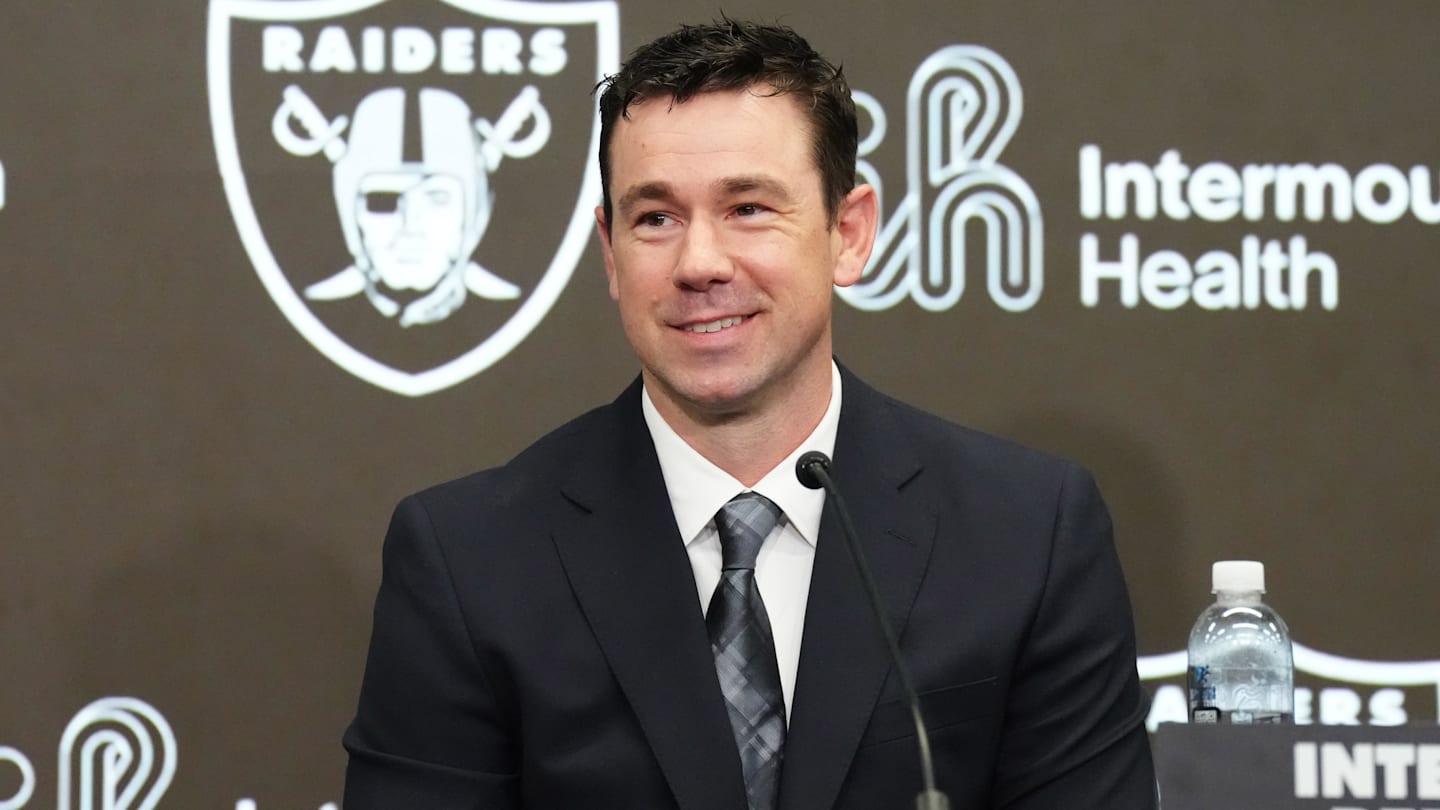
One evaluator told Breer: “He wasn’t just repeating plays. He was adjusting them—identifying coverage, suggesting hot reads. For a guy with limited reps, that’s abnormal.”
His interview also stood out. While others leaned on charisma, Simpson focused on process: “I know I didn’t start, but I prepared like I did every week,” he said. That mentality resonated with a team that values preparation over pedigree.
Why Other Teams Passed
Several factors contributed to Simpson’s fall: - Arm strength concerns: His deep ball lacks consistent velocity. - Limited starter experience: Only two career starts. - Injury history: Missed time in 2022 with a shoulder issue. - Competition bias: Scouts often undervalue players behind elite teammates.
But Breer argued these are correctable or overblown. Arm strength can improve with NFL coaching and conditioning. Experience gaps are expected in late-round picks. And the Rams believe Simpson’s health is fully cleared. “They didn’t ignore the red flags,” Breer wrote. “They just believed they could manage them.”
The Long Game: Simpson’s Path to Playing Time
- The Rams aren’t expecting Simpson to start in Year 1. But Breer outlined a realistic development arc:
- Spring/Summer: Master the playbook, work with quarterbacks coach Chris Weinke.
- Preseason: Compete with Bennett for second-string duties.
- Year 2: Serve as primary backup, absorb game management.
- Year 3: Challenge for starting role, depending on Stafford’s status.
McVay has historically eased young QBs into action—Goff didn’t start until Week 4 of his rookie year. Simpson will likely follow a similar path.
Realistic Expectations vs. Hype
It’s easy to overstate the impact of a fifth-round quarterback. But Breer cautioned against both dismissal and premature optimism. “Simpson isn’t a savior,” he said. “But he’s a legitimate developmental piece with starting traits.”
For Rams fans, that’s enough. The team didn’t need a franchise QB. They needed insurance, potential, and a player who fits their system—and they got all three.
Conclusion: Process Over Hype
Albert Breer’s takeaways paint a picture of a franchise operating with discipline, insight, and long-term vision. The Rams didn’t chase headlines or panic at the quarterback position. Instead, they used data, coaching familiarity, and structured evaluation to land a player who aligns with their offensive philosophy.
Ty Simpson may never make a Pro Bowl. But if he becomes a reliable backup—or even a serviceable starter down the line—the Rams will have validated their process. And Breer’s reporting ensures we understand how it actually happened: not with flash, but with focus.
For teams looking to replicate this success, the lesson is clear: scout the fit, not just the stats. Trust your system. And let the board come to you.
Frequently Asked Questions
Did Ty Simpson start for Alabama? No, Simpson served as a backup to Jalen Milroe and started only two games during his college career.
Why did the Rams pick Ty Simpson in the fifth round? They valued his processing speed, mobility, and fit in McVay’s offense, despite limited college starts.
How does Ty Simpson compare to other late-round QBs? He’s less explosive than J.J. McCarthy but more system-ready than undrafted prospects like Kyle McCord.
Is Ty Simpson expected to start soon? Not immediately. He’s likely competing for the backup role behind Stetson Bennett in Year 1.
What did Albert Breer say about the Rams’ QB pick? Breer praised their disciplined approach, emphasizing that they drafted for fit, not desperation.
Can Ty Simpson improve his arm strength? Yes, NFL coaching, mechanics work, and strength training can help address this concern.
What’s the Rams’ quarterback plan moving forward? Stafford remains the starter when healthy, with Bennett and Simpson as backups. A long-term successor could emerge over the next two seasons.
FAQ
What should you look for in How the Rams Landed Ty Simpson: Breer's Draft Insights? Focus on relevance, practical value, and how well the solution matches real user intent.
Is How the Rams Landed Ty Simpson: Breer's Draft Insights suitable for beginners? That depends on the workflow, but a clear step-by-step approach usually makes it easier to start.
How do you compare options around How the Rams Landed Ty Simpson: Breer's Draft Insights? Compare features, trust signals, limitations, pricing, and ease of implementation.
What mistakes should you avoid? Avoid generic choices, weak validation, and decisions based only on marketing claims.
What is the next best step? Shortlist the most relevant options, validate them quickly, and refine from real-world results.